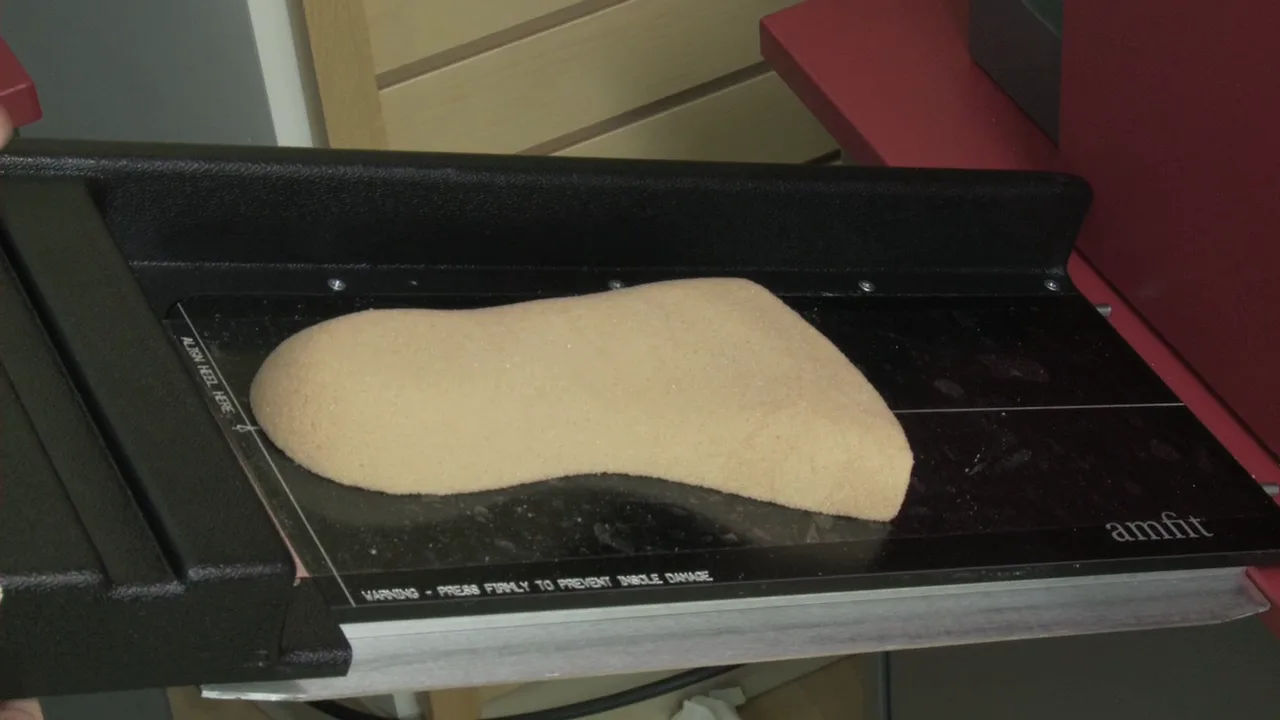
A remake is rarely caused by one decision alone. The finished orthotic reflects the assessment, the scan, the design, the information provided for fabrication, and the footwear in which the device will be worn.
Each stage affects the next, which is why preventing a remake begins long before fabrication. When one part does not match the others, the orthotic may require an adjustment or, in some cases, a remake.
Not every concern after dispensing means the device must be made again. Some issues can be resolved through fitting, sanding, or a focused modification. Understanding where the result moved away from the original goal helps determine the right next step and reduces the chance of repeating the same problem.
Begin With a Complete Assessment
The first opportunity to reduce a remake comes before the foot is scanned.
In both medical and retail settings, the provider begins by reviewing the foot, the footwear, and how the orthotic will be used. In a clinical setting, the prescription, diagnosis, relevant history, range of motion, and gait findings provide additional direction. The footwear then helps translate that review into practical design choices by showing the available depth, overall shape, stability, and existing wear patterns.
Without that context, the scan may be accurate while the order remains incomplete. The assessment brings the scan, design, materials, and footwear together around the same goal.
Make Sure the Scan Represents the Intended Result
Digital accuracy still depends on how the foot is presented during scanning.
The position of the foot and the amount of load used determine the contour recorded. Even a small shift during scanning may change the result and carry that difference into the design.
Reviewing the scan while the patient or customer is still present gives the provider an opportunity to compare it with the assessment. Unexpected positioning, exaggerated contours, or differences between the feet may indicate that another scan is needed. What is recorded becomes the starting point for the orthotic.
Learn more in Why Provider Technique Still Matters in Digital Foot Capture and Weight-Bearing vs. Semi-Weight-Bearing vs. Non-Weight-Bearing Foot Capture.
Keep the Design Focused on the Goal
A good scan is only the beginning. The design still needs to reflect the prescription, provider recommendations, intended footwear, and purpose of the orthotic.
In Correct and Confirm, Amfit’s orthotic-design software, the provider or Central Fabrication team reviews the plantar surface before milling. The arch, heel cup, forefoot, thickness, posting, accommodations, and reliefs are then developed around the individual order.
Each design choice should support the intended result. An arch set higher than the person can tolerate, a heel cup that does not work within the shoe, or a relief placed in the wrong area may create discomfort or keep the orthotic from meeting its goal.
Defining that goal first gives the provider a clear point of reference when reviewing both the scan and the completed design.
Learn more in Accommodation vs. Correction in Orthotic Design.
Give Fabrication Clear Direction
When another person or team completes fabrication, the order needs to communicate more than the scan alone.
The material, orthotic style, top cover, intended footwear, accommodations, and differences between the right and left sides should be clear within the order. Notes are especially important when a feature needs to be placed in a specific area or when the provider’s request may not be obvious from the scan.
A complete order gives the fabrication team the information needed to carry the provider’s design into the finished orthotic.
The same principle applies to in-house fabrication. One person may complete the assessment and design while another handles milling or finishing. Keeping the design choices and notes with the patient or customer record helps each person work from the same information.
Consider the Orthotic and Footwear Together
An orthotic does not function on its own. Its length, width, thickness, heel cup, material, and top cover all need to work within the available space and structure of the shoe.
Whenever possible, the provider should remove the shoe’s existing insole and use it as a trace for the orthotic. Some insoles lift out easily, while others are lightly glued and may need to be worked loose from the shoe. The trace provides a practical reference for the available length, width, and overall shape.
When the existing insole cannot be removed, an Amfit shoe pattern can be placed inside the shoe to confirm the appropriate blank. The pattern should fit the shoe itself rather than relying only on the labeled shoe size or whether the style is marketed for men or women. Shoe lasts vary, and the correct blank is the one that fits the space available.
The shoe also needs enough depth and stability for the completed device. An orthotic may feel too high, crowd the foot, or move inside the shoe when the footwear was not considered before fabrication. A foot orthosis works as part of the footwear system, not separately from it.
Material selection also affects the final result. Firmness, flexibility, cushioning, durability, and thickness should reflect the person’s needs, activity, footwear, and goal for the orthotic. A material chosen for greater control will behave differently from one selected primarily for accommodation or shock absorption.
Build Quality Reviews Into the Workflow
Quality review should happen throughout the process rather than only after the orthotic is complete.
Before milling, the scan and finished design are reviewed alongside the prescription, provider recommendations, and order details. This is the point to confirm the foot position, accommodation placement, thickness, and other design features while changes can still be made within the software.
After milling, the orthotic is reviewed before the top cover is applied. The material, requested features, and overall workmanship remain easy to see at this stage. Once sanding and top-cover application are complete, a final review confirms the finished materials, identification, appearance, and fit within the intended footwear.
Correct and Confirm and the Amfit CAD/CAM Mill accurately carry the approved design into fabrication. These reviews help confirm that the order details, selected materials, and finishing remain aligned with that design.
Each review may identify a missing or mismatched detail before the orthotic is dispensed, reducing the likelihood that a preventable concern becomes a remake.
Review the Cause Before Starting Over
When an orthotic does not meet expectations, the most useful question is not simply whether it needs to be remade. It is where the result began to move away from the goal.
The provider can return to the assessment, scan, design, order notes, material selection, and footwear to understand what happened. The scan may need to be repeated, the design may need a focused change, or the concern may be related to finishing or shoe fit rather than the orthotic itself.
The saved digital record makes that review more specific. It shows what was captured, which design changes were made, what materials were selected, and what instructions were included with the order.
That information helps separate a fitting adjustment from a design issue or a true fabrication concern. It also gives the provider and fabrication team a clearer starting point if a remake is necessary.
Reducing Preventable Remakes
Preventing remakes begins with a clear goal and continues through assessment, scanning, design, fabrication, and fitting. Each stage provides an opportunity to confirm that the orthotic still reflects the provider’s recommendations and the needs of the person wearing it.
Amfit supports that process through reviewable scans, editable digital designs, saved order information, and quality checks throughout fabrication.
When the assessment, design, materials, and footwear work together, the finished orthotic is more likely to meet the goal established from the beginning.