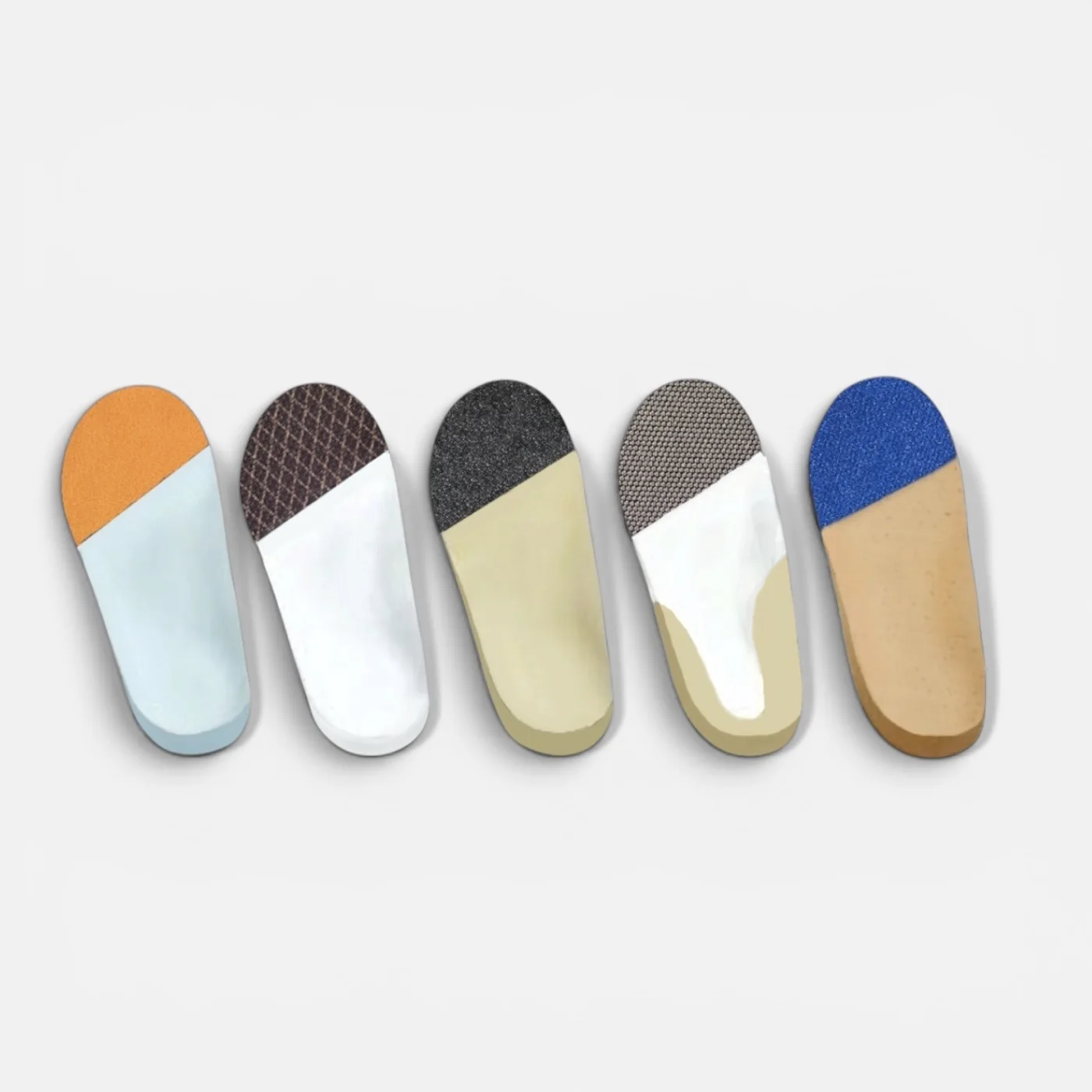
Heel cup depth may seem like a small design detail, but it affects how the heel sits within the orthotic, how pressure is managed through the rearfoot, and whether the finished device fits properly inside the shoe.
Heel cup depth should be selected for the individual foot and the intended use of the orthotic. The shape of the heel, the goal of the device, the material, and the available space inside the footwear all influence the final design.
What the Heel Cup Does
The heel cup is the contoured area at the back of the orthotic that surrounds the heel. It helps seat the calcaneus within the device and creates contact around the rearfoot rather than only beneath it.
That contact can help stabilize the heel and create a smoother transition into the arch. For someone with heel discomfort, a deeper cup may also help contain the heel’s fat pad so it spreads less under load, offering additional protection around a sensitive area.
The depth, width, and contour of the cup need to follow the shape of the heel. A cup that is deep but too wide may provide less contact than expected, while one that is too narrow may create pressure along the edges.
The Goal Determines the Depth
The provider should begin by considering what the heel cup needs to accomplish.
A person who needs greater rearfoot stability may benefit from more contact around the heel. Someone with a painful area may need enough depth to protect the heel while leaving room for an accommodation. An orthotic designed for athletic footwear may also allow a different profile than one intended for a shallow dress shoe.
Activity affects the decision as well. Running, court sports, prolonged standing, and everyday walking place different demands on the rearfoot. In some athletic settings, a deeper heel cup may improve stability, but only when the shoe has enough space to accept it.
The goal is not to use the deepest heel cup possible. It is to choose the depth that supports the purpose of the orthotic without interfering with comfort or fit.
Heel Cup Depth Begins With the Capture
The recorded shape of the heel provides the starting point for the design.
Foot position and loading influence how the heel appears during scanning. Under greater load, the heel and surrounding soft tissue may spread more. With less load, the heel may appear narrower and more contained.
The provider should choose the capture position with the finished orthotic in mind. Once the scan is complete, the heel can be reviewed for width, alignment, contour, and its relationship to the arch. Unexpected differences between the feet or a shape that does not match the physical assessment may indicate that another scan is needed.
Learn more in Weight-Bearing vs. Semi-Weight-Bearing vs. Non-Weight-Bearing Foot Capture.
The Shoe Sets the Practical Limit
Even a well-designed heel cup must fit within the intended footwear.
A shoe with a deep, stable heel counter may allow more room around the rearfoot. A shallow shoe, narrow heel, cleat, or dress style may require a lower-profile design. When the cup is too deep or wide for the shoe, the heel may sit higher than intended or rub against the edge of the orthotic.
The shoe’s existing liner should be removed when the orthotic is intended to replace it. Leaving the liner underneath may raise or tilt the device and change how the heel sits within the cup. Some liners lift out easily, while others may be lightly glued and need to be worked loose.
Reviewing the available depth before fabrication helps the provider choose a heel cup that works with the shoe rather than correcting the fit afterward.
Depth Is Only One Part of Rearfoot Design
Heel cup depth does not work alone.
The radius of the cup, the contour around the calcaneus, rearfoot posting, material firmness, and top-cover thickness all affect how the heel sits within the orthotic. A deeper cup made from a firm material will feel different from the same shape made from a softer or more flexible material.
Orthotic design references also note that the height and radius of the heel seat influence how closely the orthotic conforms to the heel and how effectively it supports the rearfoot.
These features need to be considered together so the heel cup supports the intended result without creating unnecessary bulk or pressure.
Review the Heel Before Milling
Digital design gives the provider an opportunity to evaluate the heel cup before the orthotic is fabricated.
In Correct and Confirm, Amfit’s orthotic-design software, the heel can be viewed as part of the complete three-dimensional design. The provider or Amfit Central Fabrication team can review the contour, adjust the depth, and confirm how the heel cup transitions into the arch before the file reaches the mill.
This review helps confirm that the capture, design, material, and footwear remain aligned before fabrication begins.
Heel cup depth affects how the heel is seated within the orthotic and how the completed device fits inside the shoe. Choosing the right depth begins with the foot, the intended result, and the footwear in which the orthotic will be worn.